
Exchange Rate Movements: Reading the Markets
Learn how to interpret exchange rate data, identify meaningful trends, and understand what market signals tell you about future currency movements.
Why Exchange Rates Matter to You
Exchange rates aren’t just numbers for traders and banks. If you’re sending money overseas, running a business that deals with foreign currencies, or simply keeping an eye on your investments, understanding how to read these movements matters.
The ringgit’s value fluctuates daily based on dozens of factors — interest rates, economic data, geopolitical events, and investor sentiment. Learning to spot these patterns doesn’t require a finance degree. It’s about recognizing the signals that repeat, understanding what they mean, and making informed decisions.

Reading Trends: The Basics
Think of exchange rates like any price. When demand for something increases, its value goes up. The ringgit follows the same logic. When foreign investors want to buy Malaysian assets or companies need ringgit to pay for imports, demand increases and the currency strengthens.
The three most visible trends are: short-term daily fluctuations (noise), medium-term movements over weeks or months (meaningful), and long-term shifts over years (structural).
Most traders focus on medium-term trends because they’re substantial enough to matter but not so distant you can’t act on them. A 5% movement in the ringgit over three months is significant for someone managing currency exposure. A 0.5% daily swing? That’s usually just market noise.

Key Market Signals to Watch
Interest Rate Decisions
When the central bank raises rates, the ringgit typically strengthens because foreign investors get better returns on Malaysian bonds. You’ll see this impact within hours of an announcement.
Economic Data Releases
GDP growth, inflation numbers, and employment reports move markets. A stronger-than-expected economic report usually strengthens the ringgit because it signals Malaysia’s doing well.
Global Risk Sentiment
When investors get nervous about global markets, they flee to safe havens like the US dollar. This weakens the ringgit even if Malaysia’s fundamentals haven’t changed.
Trade and Capital Flows
When Malaysia exports more than it imports, or foreign money flows in for investments, demand for ringgit increases. Look at trade data monthly for clues about currency direction.

Common Patterns and What They Signal
Breakouts and Breakdowns
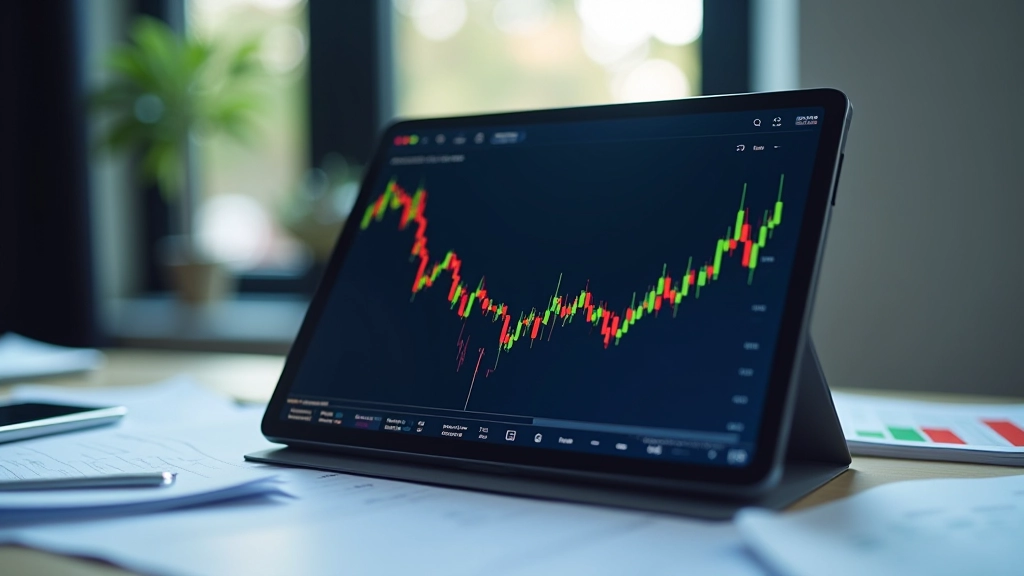
When a currency moves decisively above or below a previous high or low, it’s called a breakout. This signals strengthening momentum. You’ll often see increased volume on breakouts, meaning more traders are involved — that’s usually confirmation the move is real.
Support and Resistance Levels
These are price levels where the ringgit repeatedly bounces off. Support is where buyers step in, resistance is where sellers appear. If the ringgit keeps bouncing between 4.20 and 4.30 to the dollar, those are your levels. When they break, something meaningful has shifted.
Volatility Spikes
When the ringgit suddenly swings wildly, it’s usually because new information entered the market — a surprise announcement, unexpected economic data, or geopolitical event. These spikes create both risk and opportunity, depending on your position.
Practical Tips for Market Reading
Check the Economic Calendar
Websites like Trading Economics or the Bank Negara Malaysia website publish the schedule for economic announcements. Mark major events — if you know when inflation data drops, you can anticipate volatility and prepare accordingly.
Track Multiple Timeframes
Look at daily charts for medium-term trends and weekly or monthly charts for the bigger picture. Sometimes the ringgit is trending up on a daily basis but down over three months. Both are true — it depends on your perspective and your timeline.
Compare to Historical Levels
Where is the ringgit relative to the dollar compared to a year ago? Three years ago? Context matters. A move to 4.50 might seem dramatic until you realize it traded there regularly in 2020.
Understand Correlation
The ringgit doesn’t move in isolation. It often moves with regional currencies, global commodity prices, and US dollar strength. When oil prices rise, the ringgit typically strengthens because Malaysia exports oil. These relationships are predictable and useful.

Moving Forward With Market Awareness
Reading exchange rate markets isn’t about predicting the future perfectly — nobody can do that consistently. It’s about understanding the signals that tell you what’s happening right now and what might happen next. When you know the difference between noise and meaningful movement, when you recognize the patterns that repeat, and when you understand what each economic announcement means for the ringgit, you’re positioned to make better decisions.
Start simple. Pick one timeframe — daily or weekly — and track the ringgit against the dollar for a month. Notice when it moves, check what was announced that day, and see if you can spot the relationship. You’ll develop intuition. That intuition, combined with the signals we’ve covered, gives you real insight into how the market actually works.
Important Information
This article is educational material designed to help you understand how exchange rates work and what market signals mean. It’s not financial advice, trading advice, or a recommendation to buy or sell currencies. Exchange rate movements involve real risks, and past patterns don’t guarantee future results. Currency markets are influenced by countless unpredictable factors. Before making any financial decisions involving foreign currency, consult with a qualified financial advisor who understands your specific situation. This content reflects general market principles and shouldn’t be relied upon as personalized guidance for your circumstances.