

What Causes Ringgit Value to Fluctuate
Explores the economic factors, interest rates, and global market conditions that influence the Malaysian ringgit’s daily movements.
Read GuideLearn how exchange rates, ringgit fluctuations, and foreign currency exposure affect your finances and investments
Whether you’re doing business internationally or investing overseas, understanding currency movements is essential
The Malaysian ringgit’s value shifts based on interest rates, commodity prices, and global economic conditions. We’ll help you understand what drives these movements and how to interpret them.
When you hold assets or liabilities in foreign currencies, exchange rate changes directly impact your real returns. Learn how to identify and measure your exposure.
Hedging strategies help protect against unfavorable currency movements. Discover the tools and concepts that businesses and investors use to manage currency risk.
Currency movements reflect broader economic trends. Understanding exchange rates gives you insight into global market dynamics and economic forecasts.
Explore our most comprehensive guides on currency risk and ringgit fluctuation
Explores the economic factors, interest rates, and global market conditions that influence the Malaysian ringgit’s daily movements.
Read Guide
Learn how businesses and individuals get exposed to currency risk when dealing in foreign currencies and why it matters for your investments.
Read Guide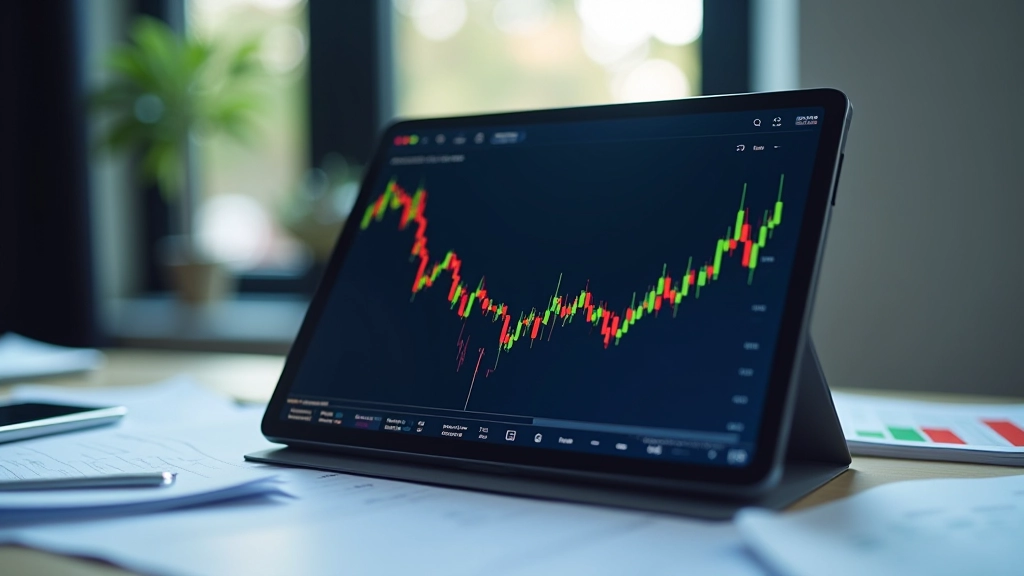
Understand how to interpret exchange rate data, identify trends, and what signals tell you about future currency movements.
Read GuideMaster the fundamental principles of currency risk and exchange rate dynamics
How currency pairs work, bid-ask spreads, and the difference between fixed and floating exchange rates in practice.
Interest rate differentials, inflation, GDP growth, and trade balances — the key drivers of long-term currency movements.
How to spot when you’re exposed to currency risk, measuring your exposure, and assessing potential impact on your portfolio.
Forward contracts, options, money market hedges, and natural hedging approaches for managing currency exposure effectively.
Ringgit behavior patterns, commodity price correlations, and how regional economic policies affect currency movements.
Reading charts, identifying trends, using technical and fundamental analysis to forecast exchange rate movements.
Quick answers to common questions about currency risk and exchange rates
Currency risk is broader — it encompasses all financial impacts from currency fluctuations. Exchange rate risk specifically refers to losses from unfavorable rate movements. They’re related but exchange rate risk is a specific type of currency risk you might face.
The ringgit’s value changes based on Malaysia’s interest rates, inflation, trade balance, commodity prices (especially crude oil and palm oil), and investor sentiment. Global economic conditions matter too — when risk appetite drops, emerging market currencies like the ringgit often weaken.
Not directly, but you’re still affected. Currency movements influence import/export prices, which affect local inflation and economic growth. If you have any international investments or hold foreign currency savings, you’re exposed to currency risk.
A forward contract is straightforward — you lock in an exchange rate today for a transaction happening later. It’s simple but inflexible. Options give you flexibility but cost more. Money market hedges and natural hedges (matching foreign currency inflows with outflows) work too depending on your situation.
Nobody predicts perfectly, but you can improve your odds. Fundamental analysis looks at economic data, interest rates, and trade flows. Technical analysis examines historical price patterns. Most traders use both. You’ll also notice that central bank statements and major economic announcements create immediate volatility.
Bank websites, financial news sites like Bloomberg or Reuters, and currency trading platforms all provide real-time rates. The Bank Negara Malaysia website publishes official rates. For learning purposes, you can track historical data on financial platforms to spot patterns.
We believe learning about currency risk should be practical, clear, and grounded in real-world examples
We don’t just explain theory. You’ll see actual ringgit movements, real hedging scenarios, and practical cases showing how currency risk plays out in business and investing.
Start with fundamentals and build up. Early guides cover basics like how exchange rates work. Later resources dive into advanced hedging strategies and market analysis techniques.
We’re not teaching currency risk in a vacuum. Every guide connects to the Malaysian context — the ringgit, local economic factors, and how regional dynamics shape exchange rates.
Have questions about currency risk, need guidance on a specific situation, or want to discuss how exchange rate movements might affect your plans? We’re here to help.
Contact UsOur resources are used by traders, business owners, investors, and financial advisors across Malaysia