
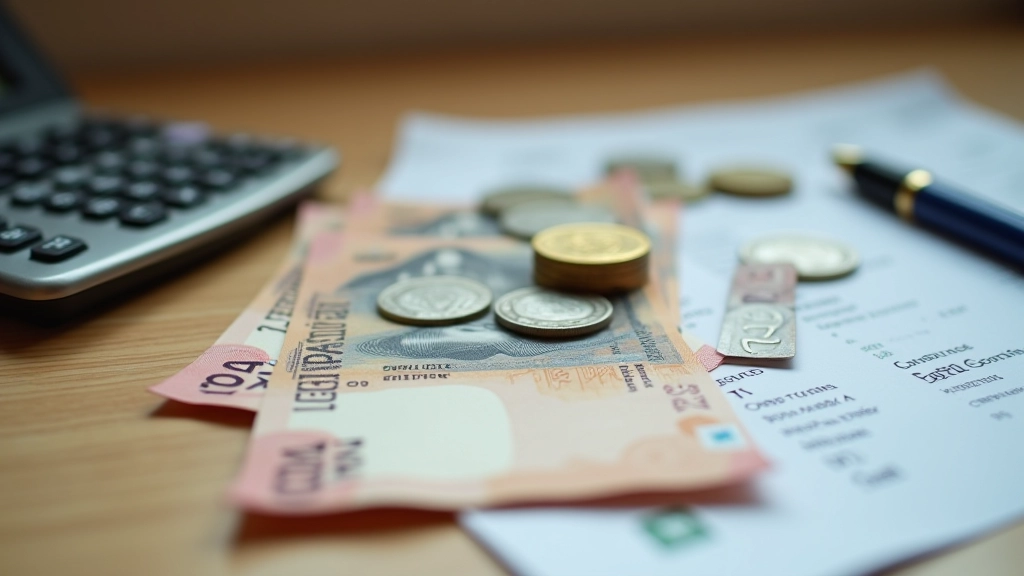
What Causes Ringgit Value to Fluctuate
Explores the economic factors, interest rates, and global market conditions that influence the Malaysian ringgit’s daily movements.
Read MoreEducational resources on exchange rate dynamics, foreign currency exposure, and practical hedging strategies for Malaysian investors and businesses
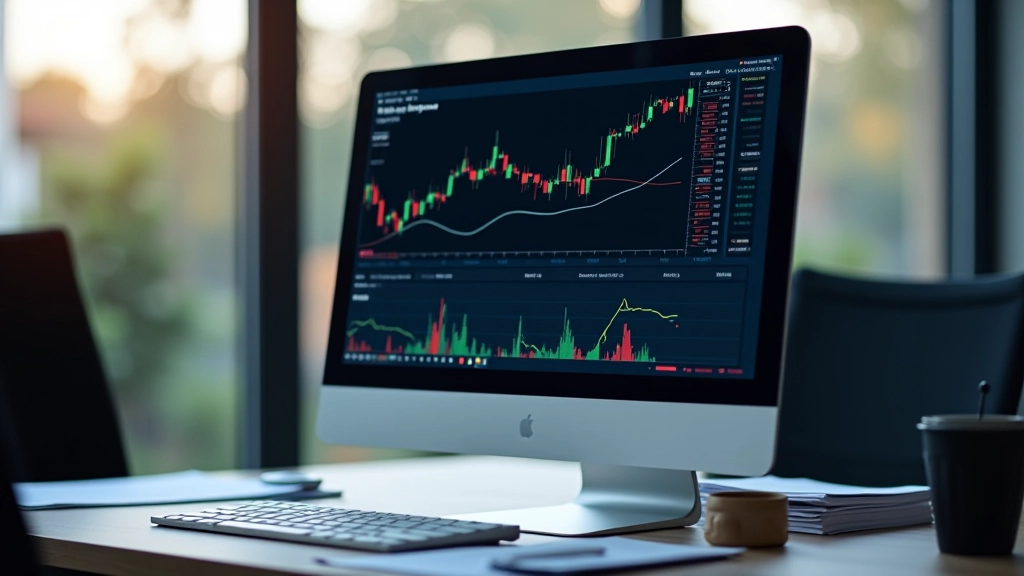
Explore guides covering exchange rate fundamentals, currency risk management, and hedging techniques
Explores the economic factors, interest rates, and global market conditions that influence the Malaysian ringgit’s daily movements.
Read More
Learn how businesses and individuals get exposed to currency risk when dealing in foreign currencies and why it matters for your investments.
Read More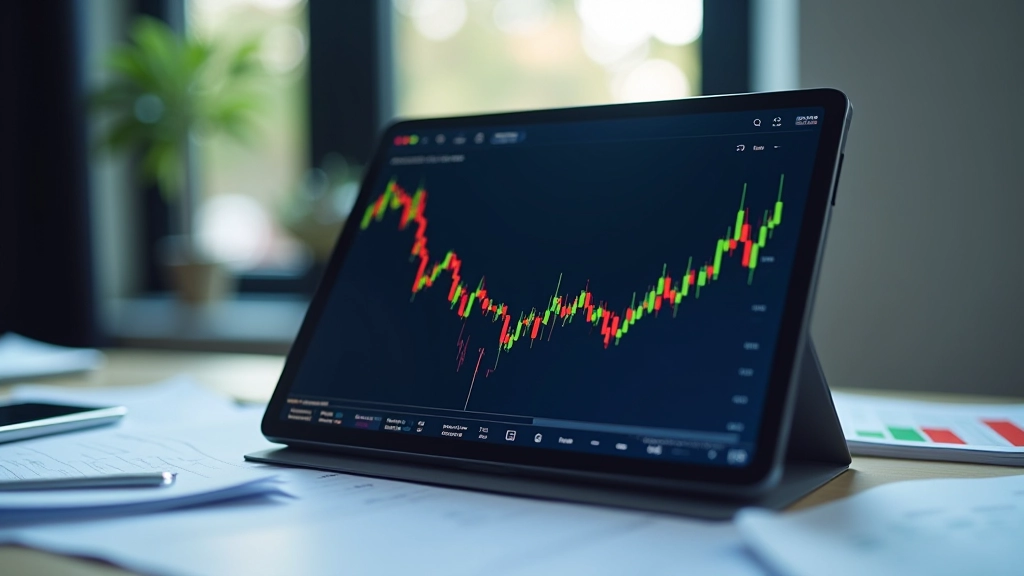
Understand how to interpret exchange rate data, identify trends, and what signals tell you about future currency movements.
Read More
Discover practical hedging techniques including forwards, options, and natural hedges that help reduce currency exposure and protect earnings.
Read MoreThese fundamental ideas form the foundation of understanding currency risk in Malaysia
The current price at which one currency can be exchanged for another. It’s what you’ll see quoted in financial news and used for immediate transactions. Changes daily based on supply and demand in currency markets.
An agreement to exchange currencies at a predetermined rate on a future date. Businesses use these to lock in exchange rates and protect themselves from unexpected currency swings. Unlike futures, they’re customized between two parties.
How much the exchange rate jumps around over time. Higher volatility means bigger potential price swings — which creates both risk and opportunity. Measured using standard deviation of price changes.
The principle that explains why currency exchange rates adjust based on interest rate differences between countries. It’s why currencies of countries with higher interest rates often depreciate over time.
The nominal rate is what you see quoted. The real rate adjusts for inflation differences between countries. Understanding both helps you see the true value change beyond just the headline numbers.
How different currency pairs move together or apart. Some pairs are positively correlated — they move in the same direction. Others move opposite. This matters for portfolio diversification and risk management.
“Currency risk isn’t something to fear — it’s something to understand and manage. Most losses happen when people don’t see the risk coming. That’s why education matters.”
Malaysia’s economy is deeply connected to global trade and foreign investment. The ringgit’s value fluctuates based on crude oil prices, regional economic conditions, and global monetary policies. Whether you’re a business exporting goods, an investor holding foreign assets, or someone planning international travel, currency movements directly affect your wallet. Understanding these dynamics isn’t optional anymore — it’s a practical skill for anyone engaged in cross-border transactions.
Many Malaysian companies earn revenue in foreign currencies but pay expenses in ringgit. Without proper hedging, a sudden currency shift can wipe out profits overnight. Similarly, investors who don’t understand currency exposure might see their international investment returns eroded by unfavorable exchange movements. That’s why learning these concepts now can save you significant money down the road.